
No products in the cart.
Magnetic Track Lights vs Downlights: Which Suits Your Space?
Magnetic track lights and downlights serve different lighting needs. Downlights provide lighting from fixed ceiling positions, while magnetic systems use a modular track with compatible light modules that can be repositioned or changed according to the system’s instructions.
The right choice depends on your room layout, ceiling design and how you use the space. In some interiors, combining both creates a more useful lighting scheme.
Magnetic Track Lights vs Downlights: Quick Comparison
| Feature | Magnetic Track Lights | Downlights |
|---|---|---|
| System | Powered rail with compatible lighting modules | Individual fittings installed at fixed ceiling points |
| Positioning | Compatible modules can be repositioned along the track | Fitting positions generally remain fixed |
| Light direction | Depends on the module; adjustable spotlights offer directional light | Fixed or adjustable, depending on the fitting |
| Appearance | Creates a continuous or connected track feature | Creates separate lighting points across the ceiling |
| Typical use | General lighting, task lighting and highlighting selected features | General lighting, circulation lighting and focused illumination |
| Future changes | Modules may be moved or changed within system limits | Relocating fittings usually requires ceiling or wiring work |
| Planning | Requires track layout, compatible modules and power-supply coordination | Requires fitting positions, spacing, wiring and suitable ceiling conditions |
How Downlights Are Typically Used
Downlights direct light downwards from individual ceiling fittings. They are often used to provide illumination across a room or along circulation routes.
Their fixed positions suit spaces where the furniture arrangement and lighting requirements are unlikely to change significantly.
Typical applications include:
- General illumination in living rooms and bedrooms.
- Lighting along hallways and entrances.
- Kitchen lighting planned around work surfaces.
- Office and hospitality lighting.
- Bathrooms, using fittings suitable for the installation location.
Some downlights have adjustable optics, allowing the beam to be aimed while the ceiling position remains fixed.
What to Consider Before Choosing Downlights
Plan fitting positions around the room’s actual use. An evenly spaced ceiling grid does not automatically provide useful light where it is needed.
Check light output, beam angle, glare, colour temperature and any dimming requirements. Recessed models also require suitable installation depth and compliance with the manufacturer’s mounting instructions.
How Magnetic Track Lights Are Typically Used
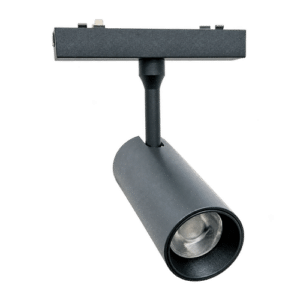
Magnetic track lighting combines compatible modules on a powered rail. Depending on the selected range, the system may include spotlights, linear lights, grille lights and pendants.
This modular arrangement suits interiors where different lighting effects are needed along one coordinated track.
Typical applications include:
- Highlighting artwork and architectural details.
- Illuminating shelves, merchandise and showroom displays.
- Combining general and accent lighting in living areas.
- Positioning pendant modules above tables or counters.
- Adapting lighting to changing furniture or display arrangements.
Flexibility remains limited by the track position, component compatibility and system capacity. Moving a module along a rail is different from relocating the rail itself.
Explore Magnetic Track Lighting in Kenya
Which Works Better for General Lighting?
Both can contribute to general lighting when their output and distribution suit the room.
Downlights can provide illumination from several fixed ceiling positions. Magnetic linear or other suitable modules can provide broader light along the track layout.
Compare the actual fittings rather than choosing by system name alone. Consider:
- How evenly light reaches the occupied areas.
- Ceiling height and room proportions.
- Shadows and glare.
- Light output and beam distribution.
- Whether additional task or accent lighting is needed.
Which Offers More Flexibility?
A magnetic system generally offers more flexibility within the installed track. Compatible modules can be repositioned or replaced as lighting needs change, following the manufacturer’s instructions.
Downlights offer a more permanent layout. Adjustable models can redirect their beams, but moving a fitting to another ceiling position usually involves additional work.
This makes magnetic tracks useful for changing retail displays or furniture arrangements, while downlights can suit predictable, established layouts.
Where Combining Both Makes Sense
Using both systems allows each to handle a different part of the lighting scheme.
| Space | Downlight role | Magnetic track role |
|---|---|---|
| Living room | Provide general illumination and light circulation areas | Highlight artwork, shelving or selected furniture |
| Kitchen and dining area | Illuminate circulation and planned work areas | Add focused or pendant lighting above an island or dining table |
| Shop or showroom | Provide background illumination | Direct attention towards products and changing displays |
| Office reception | Illuminate entrances and circulation routes | Highlight the reception desk, branding or feature wall |
| Restaurant or hotel lounge | Support general lighting and movement through the space | Create focused light around tables and decorative features |
Living Rooms
Downlights can establish a general lighting layer, while magnetic spotlights highlight artwork or shelves. Separate controls allow you to use the lighting layers according to the activity.
Kitchens and Dining Areas
Downlights can support kitchen illumination, while compatible magnetic modules provide light above an island or dining table.
Position both systems carefully so that people working at counters do not block the light they need.
Shops and Showrooms
Downlights can provide background light, while magnetic spotlights focus attention on merchandise. Repositionable modules can help accommodate display changes without moving individual ceiling fittings.
Hospitality Interiors
Downlights can illuminate circulation routes, while magnetic modules add emphasis to tables, counters and interior features. Where dimming is required, specify compatible controls and equipment from the start.
How to Plan a Combined Lighting Layout
Start with the purpose of each lighting layer.
- Identify general lighting needs. Decide which areas need broad illumination.
- Locate tasks and focal points. Mark work surfaces, artwork, tables and displays.
- Assign each system a role. Avoid installing both systems to perform the same task unnecessarily.
- Coordinate light colour. Choose colour temperatures that support the intended appearance.
- Plan controls. Separate switching can make general and accent lighting more useful.
- Check installation requirements. Allow for downlight depth, track mounting, wiring and accessible drivers.
The goal is a coordinated scheme with useful illumination and comfortable light levels.
Request Magnetic Lighting Design & Installation in Nairobi
What About Cost?
Compare complete installed systems with similar lighting requirements.
For downlights, account for fittings, any required drivers, wiring, ceiling openings and controls.
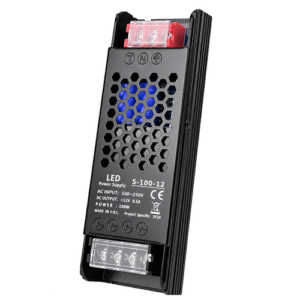
For magnetic lighting, account for rails, modules, connectors, power feeds, drivers, mounting accessories and installation.
A combined design does not need both systems everywhere. Assigning a clear role to each helps keep the specification focused on what the space needs.
OUR PRODUCTS
Frequently Asked Questions
Are magnetic track lights brighter than downlights?
Not automatically. Brightness depends on the selected fittings, their light output, beam distribution and positioning.
Can magnetic track lights replace downlights?
They can provide some or all of the lighting in a suitable design. Confirm that the selected modules and layout meet the room’s general, task and accent lighting requirements.
Can downlights be adjusted?
Some models allow beam adjustment. Their installed ceiling positions generally remain fixed.
Can any magnetic light fit any magnetic track?
No. Modules must be compatible with the rail, electrical contacts, voltage and control requirements of the selected system.
Can both systems use the same dimmer?
Only if the fittings, drivers and dimming method are compatible. Confirm this before purchasing or wiring the system.
Should I combine magnetic lights and downlights in every room?
No. Combine them where each has a useful role. Some rooms can be served effectively by one system, potentially alongside wall, table or other task lighting.
Choose Around How You Use the Room
Choose downlights where fixed ceiling positions suit the lighting plan.
Choose a magnetic system where a coordinated track and compatible movable or changeable modules support the design.
Combine them where general illumination and focused lighting benefit from separate layouts and controls.
Shop Magnetic Track Lighting
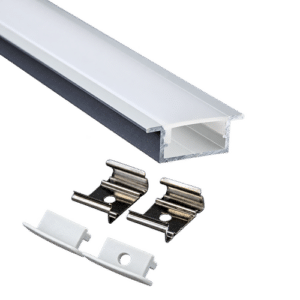
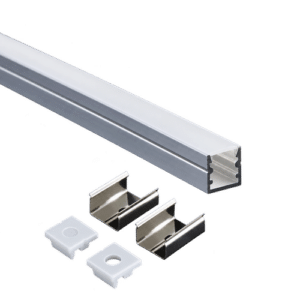
Compare Recessed and Surface Magnetic Tracks
Planning Your Interior Lighting?
Send Keable Electricals your room dimensions, ceiling photographs and preferred lighting style to discuss a suitable layout.
Call/WhatsApp Keable Electricals: 0718 821 018




Add comment