
No products in the cart.
Best Booster Pump for a Home in Kenya
There is no single best booster pump for every home in Kenya. The right choice depends on your water source, property layout, pressure requirements and how many people use water at the same time.
A better question is:
Which booster pump is best for my water system?
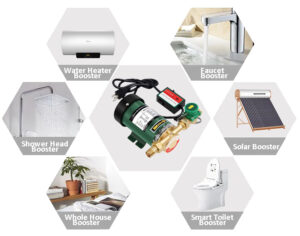
A small apartment may need a compact automatic pump. A maisonette with several bathrooms may require greater flow. If noise matters, a quieter pump and suitable installation location become important.
This guide helps you shortlist the right type before purchasing.
Call Keable Electricals: 0718 821 018 | Ask on WhatsApp
Which Type of Booster Pump Suits Your Home?
| Home or requirement | Pump type to consider | What to confirm |
|---|---|---|
| Small apartment with one bathroom | Compact automatic booster pump | Available supply, shower requirements and simultaneous demand |
| Maisonette with multiple bathrooms | Pump selected for greater flow and delivery pressure | Elevation, pipe losses and outlets used together |
| Home where noise matters | Low-noise or “silent” booster pump | Published noise information, mounting and location |
| Home needing automatic pressure adjustment | Smart variable-speed booster pump | Pressure-control functions and suitability for changing demand |
| Large property with several simultaneous users | Larger pressure-boosting system | Peak demand, water availability and system design |
These are starting points for selection, rather than fixed recommendations based only on property size.
Small Apartment: Consider a Compact Automatic Pump
For an apartment with one bathroom and modest water demand, a compact automatic booster pump may be sufficient.
However, the number of bathrooms alone does not establish the required pump size. Consider whether the shower, kitchen tap and other outlets will operate together.
Before choosing, confirm:
- Where the pump receives water.
- The available water supply.
- Required shower flow and pressure.
- Water-heater compatibility.
- Shared-building plumbing arrangements.
- Installation space and noise expectations.
If you live in an apartment, assess the proposed connection and any required building approvals before installation.
Maisonette: Plan for Flow and Upper-Floor Demand
A maisonette may need water delivered to outlets on different floors, with several bathrooms used at the same time.
The pump must be selected to deliver the required flow at the required pressure, accounting for the property’s layout.
Provide the installer with:
- The number of floors and bathrooms.
- Tank position.
- Outlets likely to operate simultaneously.
- Pipe routes where known.
- Shower and water-heater specifications.
Choosing a pump by motor wattage alone can overlook whether it delivers the required performance.
Noise-Sensitive Home: Consider a Quiet Booster Pump
If the pump will be near a bedroom, living room or neighbouring apartment, noise deserves attention before purchase.
Products described as silent booster pumps should still be assessed using their specifications and installation requirements. “Silent” should not be taken to mean completely inaudible in every situation.
Ask about:
- Published operating-noise information.
- Suitable mounting arrangements.
- Vibration control.
- Recommended installation location.
- How the pump starts and operates under normal demand.
A quieter model and a well-planned installation can both contribute to a more comfortable result.
Changing Demand: Consider a Smart Variable-Speed Pump
A smart variable-speed booster pump may suit a home where water demand changes throughout the day.
Depending on the model, it can adjust motor speed in response to demand and provide automatic pressure regulation. The available functions must be checked in the individual product specifications.
Before purchasing, confirm:
- The pressure-control method.
- Its operating flow and pressure range.
- Required inlet conditions.
- Available protection functions.
- Electrical requirements.
- Servicing and replacement-part availability.
“Smart” is a product description, so compare the actual functions rather than assuming every model offers the same features.
Larger Property: Consider a Designed Pressure System
A larger home with several simultaneous users may require more than a compact domestic pump.
Multiple bathrooms, guest accommodation and other water uses can create substantial peak demand. A larger pressure system may be appropriate, but its size should follow an assessment.
The design should account for water availability, required flow, pressure limits, controls and maintenance access.
Buying the largest pump available is not a substitute for sizing the system correctly.
What Matters More Than the Pump’s Brand or Wattage?
Water Source
Identify whether water comes from a storage tank or another suitable supply arrangement. The connection must suit the source; direct pumping from a public mains supply should not be assumed appropriate.
Required Flow
Consider how much water is needed when the relevant outlets operate together.
Required Pressure
Establish the pressure needed at the outlets while respecting the limits of showers, heaters, pipework and fittings.
Property Layout
Tank position, elevation and pipework affect the performance required from the pump.
Equipment Compatibility
Confirm requirements for connected water heaters, shower mixers and appliances before increasing pressure.
Installation and Support
Consider suitable controls, protection, maintenance access and the availability of servicing.
Do You Need a Pump—or a Plumbing Repair?
Weak flow can also result from blocked filters, restricted showerheads, partially closed valves, leaks or pipework problems.
Check the cause before purchasing a booster pump. Increasing pressure will not necessarily solve a restriction or inadequate water supply.
If the problem is mainly at the shower, visit our Shower Pressure Pump Installation Nairobi page.
For whole-home requirements, explore Booster Pump Installation Nairobi.
Compare the Complete Installed Cost
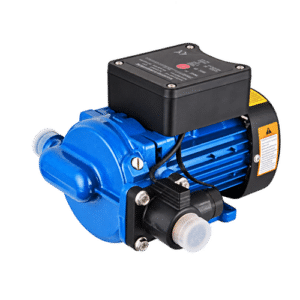
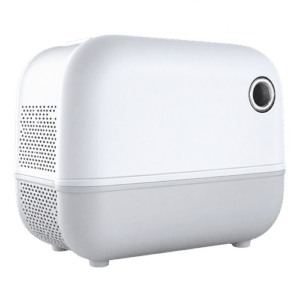
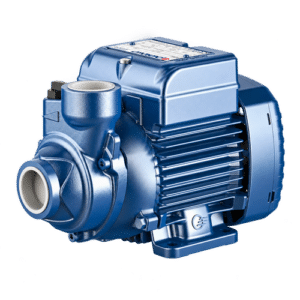
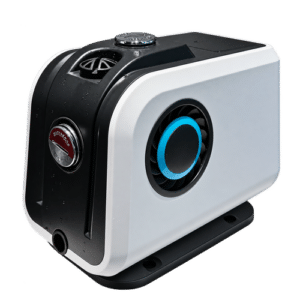
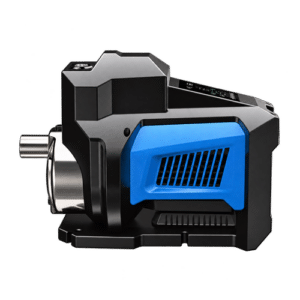
The pump price is only one part of the budget.
A complete installation may also require controls, valves, fittings, electrical materials, mounting components and labour.
Compare quotations that clearly identify:
- Pump model and specifications.
- Included controls and accessories.
- Plumbing and electrical work.
- Any additional alterations.
- Testing and commissioning.
- Warranty terms and service support.
Frequently Asked Questions
What is the best booster pump for a small home?
A compact automatic pump may suit modest demand, but selection depends on the water source, required flow, pressure and connected equipment.
Do I need a bigger pump for a two-storey house?
Possibly. Elevation and simultaneous demand matter, but storey count alone does not determine pump size.
Is a silent booster pump completely silent?
Do not assume so. Check published noise information and consider the mounting, location and operating conditions.
Is a variable-speed pump always the best choice?
No. It may suit changing demand and automatic pressure-control requirements, but a simpler pump may be appropriate for another system.
Can one pump serve several bathrooms?
Yes, where the pump and plumbing are sized for the intended simultaneous demand.
Can a booster pump work with any water heater?
No. Confirm the heater’s operating requirements and pressure limits before selecting or installing a pump.
Find the Right Booster Pump for Your Home
Send Keable Electricals:
- Your location.
- Number of floors and bathrooms.
- Water source and tank position.
- A description of the pressure problem.
- Photographs of the existing system.
- Shower and heater details.
- Your noise expectations and budget.
We can help you discuss a suitable pump type and installation scope for your water system.
Call/WhatsApp Keable Electricals: 0718 821 018
Call Now | Send Your Home Details on WhatsApp




Add comment