
No products in the cart.
How to Increase Water Pressure at Home in Kenya
Low water pressure can make everyday activities frustrating.
The shower feels weak. The upstairs bathroom barely receives enough water. Filling a bucket takes too long. The washing machine takes longer to fill. And when someone opens a kitchen tap while another person is showering, the pressure suddenly drops.
If this sounds familiar, you may be wondering:
How can I increase water pressure in my house?
The answer depends on why the pressure is low in the first place.
Sometimes the solution is surprisingly simple—such as cleaning a blocked shower head or checking a valve. In other situations, particularly homes supplied from water storage tanks, the appropriate solution may be installing a water pressure booster pump.
Pump manufacturers likewise advise finding the underlying cause before investing in a pressure-boosting system. Common causes include insufficient incoming pressure, high simultaneous demand, blocked fixtures, mineral buildup, pipe restrictions, leaks and inadequate gravity pressure from storage tanks.
This guide from Keable Electrical Supply Limited explains how to diagnose low water pressure and choose an appropriate solution for your home.
Need help with low water pressure? Call/WhatsApp Keable Electricals: 0718 821 018
What Is Water Pressure?
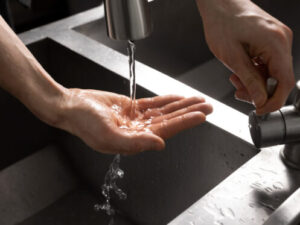
Water pressure is the force that moves water through your home’s plumbing system to showers, taps, toilets, water heaters and appliances.
It shouldn’t be confused entirely with flow rate.
Pressure is the force pushing the water.
Flow rate is the volume of water delivered over a particular period.
A bathroom can therefore suffer disappointing performance because of inadequate pressure, restricted flow—or a combination of both.
This distinction becomes important when selecting a booster pump.
Why Is My Water Pressure So Low?
Before buying a pump, identify whether the problem affects one fixture, one bathroom or the entire house.
If only one shower has poor flow while every other tap works normally, the problem may be at that shower.
If every outlet in the house has poor pressure, the problem is more likely to involve the main water supply, tank arrangement, plumbing or whole-house pressure.
Here are some common causes.
1. Your Water Tank Is Not High Enough
This is particularly relevant to homes that rely on gravity-fed water.
Water stored in an elevated tank creates pressure because of the height difference between the water level and the outlet.
If a bathroom is located close to the level of the rooftop tank, there may be insufficient height to produce satisfactory pressure.
Grundfos specifically notes that rooftop or break tanks can provide insufficient pressure to adequately serve household taps and appliances, in which case a pressure booster may be appropriate. Grundfos
This is one of the situations where installing a water booster pump can make a significant difference.
2. The Shower Head Is Blocked
If pressure is poor only at the shower, don’t immediately buy a pump.
Check the shower head.
Mineral deposits, scale and debris can restrict the small openings through which water passes. Grundfos identifies dirty, blocked or rusty fixtures and mineral buildup as common causes of reduced flow.
Cleaning or replacing the shower head may restore performance without requiring changes to the entire water system.
3. A Valve Is Partially Closed
Check whether the relevant water valves are fully open.
A partially closed valve restricts the amount of water that can pass through the system.
This can sometimes happen after plumbing work when a valve is not fully reopened. Partially closed main or meter valves are another documented cause of poor household water pressure. Grundfos
4. Your Pipes Are Restricted
Pipework matters.
Old pipes can develop corrosion, scale or other restrictions internally. Undersized pipework, excessive bends and restrictions can also reduce system performance.
Grundfos identifies clogged or corroded pipes as possible causes of low pressure, while DAB notes that bends in piping increase head losses.
Installing a powerful pump without addressing badly restricted plumbing may therefore fail to solve the underlying problem.
5. Several People Are Using Water at the Same Time
Does your shower work reasonably well until someone opens another tap?
This is an important clue.
When several outlets operate simultaneously, the available water flow has to serve all of them.
You may notice pressure dropping when someone:
Takes a shower + opens a kitchen tap + runs a washing machine + uses another bathroom.
Both Grundfos and DAB identify simultaneous household demand as a situation in which users can experience reduced pressure.
A correctly sized whole-house booster system may help where the supply can provide enough water but pressure is inadequate.
6. There Is a Water Leak
A leak means part of the available water is escaping before reaching the outlet where you need it.
Check for unexplained wet areas, leaking pipes, dripping fittings and other signs of water loss.
Leaks should be repaired before increasing pump pressure.
Poorly controlled boosting systems can contribute to pipe leakage and other problems, while dry-running can damage pumps when the water source becomes unavailable.
7. Incoming Water Pressure Is Low
Sometimes the problem starts before water enters the property’s internal distribution system.
Incoming supply pressure can fluctuate, particularly when demand changes.
If your home uses a storage tank, a suitable system may store available water first and then use a booster pump to pressurize the house.
Any proposal to boost directly from a public water main should first be checked against local water-provider requirements and applicable regulations; pump manufacturers likewise caution that direct mains boosting is restricted in some jurisdictions.
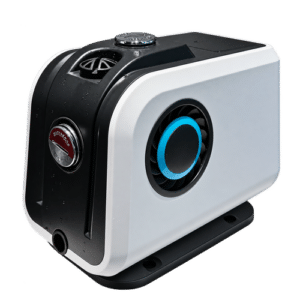
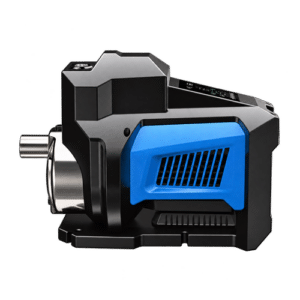
OUR PRODOCTS
How to Check Your Water Pressure Problem
You don’t need to begin by buying equipment.
Start with a simple investigation.
Check One Outlet
Open the problem shower or tap.
Is the flow weak?
Check Another Outlet
Try another tap.
If that one performs normally, the problem may be localized.
Check Different Floors
Compare a ground-floor outlet with an upstairs outlet.
If pressure becomes noticeably worse higher in the building, elevation may be contributing.
Open Two Outlets
Run the shower and then open another tap.
If performance drops dramatically, simultaneous demand is likely important.
Check the Tank
If your house is tank-fed, identify the tank location relative to the bathrooms.
Check for Restrictions
Inspect accessible valves, shower heads, filters and obvious pipework issues.
A pressure gauge can provide a more meaningful pressure measurement, while a simple timed-volume test can help estimate flow rate. Grundfos recommends checking the root cause before investing in pumps or new pipework. Grundfos
7 Ways to Increase Water Pressure at Home
Once you’ve identified the likely cause, there are several possible solutions.
1. Clean or Replace Blocked Shower Heads
Start with the simplest solution.
If only one shower has poor flow, inspect the shower head for scale and sediment.
Cleaning or replacing a badly restricted shower head may restore the water flow.
2. Fully Open Water Valves
Check that relevant isolation valves are completely open.
If pressure dropped after maintenance or plumbing work, this should be one of your first checks.
3. Repair Leaks
Don’t try to compensate for a leaking system by installing a bigger pump.
Repair the leak first.
Then reassess the available pressure.
4. Correct Restricted Plumbing
If old, corroded, blocked or badly sized pipework is restricting water, those issues may need correction.
A booster pump cannot make a severely restricted pipe disappear.
5. Improve Your Water Storage Arrangement
If water availability is unreliable, pressure is only part of the problem.
The property may require appropriate water storage together with a pressure system capable of supplying the house.
This is particularly important because a booster pump needs a reliable water source. Running a conventional pump without adequate water can cause overheating and pump damage. Grundfos
6. Increase Tank Height Where Practical
Because gravity pressure depends on elevation, increasing the vertical difference between the water level and outlets can improve pressure in a gravity-fed system.
However, structural considerations, tank support, plumbing and overall practicality need to be considered.
For many properties, installing a properly selected booster system is more practical than substantially raising an existing tank.
7. Install a Water Booster Pump
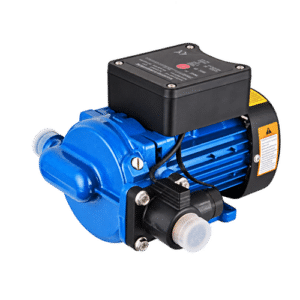
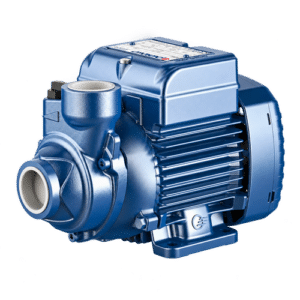
If your water supply is adequate but pressure is insufficient, a water pressure booster pump may be the solution.
A booster pump increases pressure to help deliver water more effectively through the home’s plumbing.
Grundfos specifically describes pressure booster pumps as a means of increasing domestic water pressure, while DAB notes that a pump or pressure booster set can address insufficient household pressure depending on system characteristics.
A typical system may look like:
Water Storage Tank → Booster Pump → House Distribution → Bathrooms / Showers / Kitchen / Appliances
What Is a Water Booster Pump?
A water booster pump is a pump designed to increase water pressure and, within the limits of the available supply and system design, provide the flow required by household outlets.
It can be used for applications such as:
Showers | Bathrooms | Kitchen taps | Upstairs bathrooms | Water heaters | Washing machines | Garden taps
Different properties require different pumps.
This is why choosing a pump based only on horsepower or maximum head is not ideal.
What Size Booster Pump Do I Need for My House?
This is one of the most important questions.
A pump for one shower is not necessarily suitable for a house with four bathrooms.
Pump selection should consider:
- Number of bathrooms
- Number of occupants
- Number of outlets
- Expected simultaneous use
- Required flow rate
- Required pressure
- Building height
- Tank location
- Existing pressure
- Pipe diameter
- Pipe length and restrictions
- Water heater requirements
- Shower requirements
Pump manufacturers likewise recommend selecting domestic pressure equipment according to the application’s required head, flow and other system characteristics rather than assuming one model fits every property. DAB Pumps
Keable Electricals can help customers select a booster pump based on the actual water system rather than simply choosing the largest pump available.



Add comment