
No products in the cart.
How Many Magnetic Lights Do I Need?
The number of magnetic lights you need depends on your room size, ceiling height, fixture output and how you use the space. Beam angle, interior colours, daylight and existing lighting also influence the layout.
There is no single number that suits every room. Two rooms with the same floor area may need different lighting because one is a bedroom and the other is a shop displaying products.
The best starting point is to plan where light is needed and what it should do, then choose suitable magnetic modules and their positions.
Send Keable your room dimensions and intended use, and we can help you plan an appropriate magnetic lighting system.
Call: 0718 821 018 | WhatsApp Keable Electricals
What Determines the Number of Magnetic Lights?
| Factor | How it affects the lighting plan |
|---|---|
| Room size | Larger spaces generally need more total light, distributed across the areas in use |
| Ceiling height | Changes the distance between fittings and the surfaces being illuminated |
| Fixture lumen output | Determines how much light each module produces |
| Beam angle | Influences whether light is concentrated or spread more broadly |
| Room use | Reading, food preparation, relaxing and displaying products have different needs |
| Wall and ceiling colours | Light finishes generally reflect more light; dark finishes absorb more |
| Ambient light | Daylight and surrounding illumination affect conditions throughout the day |
| Other lighting | Downlights, pendants, wall lights and lamps may already serve part of the room |
1. Start with Your Room Size
Measure the room’s length and width. For a rectangular room:
Floor area = length × width
A room measuring 5 metres by 4 metres has a floor area of 20 square metres. That measurement helps establish the scale of the project, but it does not determine the fitting quantity by itself.
Also identify separate zones, such as a dining area, reading corner or kitchen island. These may need different lighting within the same room.
For irregular rooms, send a simple sketch with the main dimensions.
2. Include the Ceiling Height
Ceiling height affects how light reaches furniture, floors and work surfaces.
A fitting installed higher above a surface will produce a different lighting result from the same fitting mounted closer to it. Output, beam angle and positioning must be considered together.
Provide the floor-to-ceiling height and mention whether the track will be recessed, surface-mounted or suspended.
3. Compare Lumen Output, Not Just Wattage
Lumens describe light output. Watts describe electrical power consumption.
Two magnetic modules with the same wattage may produce different amounts of light. Their optics can also distribute that light differently.
When comparing fixtures, check:
- Lumen output.
- Beam angle or light distribution.
- Colour temperature.
- Glare-control features.
- Compatibility with the selected track.
A module count without fixture specifications is only a rough starting point.
4. Choose Beam Angles Around the Task
Beam angle influences how concentrated the light is.
Narrower beams are typically used to highlight selected objects or features. Wider beams spread light across a broader area.
Several narrow-beam spotlights aimed at artwork may leave other parts of the room insufficiently illuminated. Equally, broad lighting may not provide the emphasis needed for a product display.
The layout should consider coverage, overlap, shadows and glare rather than spacing every module equally along the rail.
5. Explain How You Use the Room
The intended use helps determine both the amount and placement of light.
| Room or activity | Planning priorities |
|---|---|
| Living room | Comfortable general lighting, with focused light for reading or features |
| Kitchen | Useful illumination on preparation surfaces, with attention to shadows |
| Bedroom | Comfortable lighting alongside wardrobe, dressing and reading needs |
| Home office | Light for desk tasks while managing screen reflections |
| Shop or showroom | Background illumination plus emphasis on merchandise |
| Restaurant | Lighting for tables, circulation and the intended atmosphere |
Tell Keable what happens in the room and where the main activities take place.
6. Consider Wall and Ceiling Colours
Interior finishes influence how light behaves.
Light-coloured walls and ceilings generally reflect more light back into the space. Dark paint, timber and other dark finishes absorb more light and can change the perceived brightness.
Glossy surfaces and mirrors may introduce reflections that affect fitting positions.
Send photographs or describe your wall, ceiling and floor finishes so these can be considered.
7. Account for Daylight and Ambient Light
A room with large windows may receive substantial daylight but still need a complete lighting plan for evening use.
Consider when the room is occupied, whether blinds are normally closed and whether neighbouring spaces contribute light.
Plan for the conditions in which the lighting will actually be used, including after dark.
8. Include Your Other Lighting
Magnetic lights do not have to provide every lighting layer.
Existing downlights may already provide general illumination, while magnetic spotlights highlight artwork or shelves. Table lamps, wall lights and pendants may also reduce the work required from the track system.
Share the positions and purpose of existing fittings before adding more lights.
Compare Magnetic Track Lights and Downlights
Should I Use Spotlights, Linear Lights or Both?
Choose modules according to the lighting task.
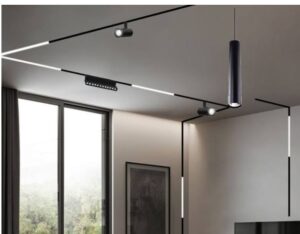
- Spotlights: Directional light for objects, displays and selected areas.
- Linear modules: Broader illumination along the track, depending on the optics.
- Grille modules: Controlled light distribution according to the fitting design.
- Pendant modules: Suspended lighting above tables, counters or focal points.
A combination may suit a room better than repeating one module type throughout.
Explore the options on our Magnetic Track Lighting in Kenya page.
Why We Do Not Recommend a Fixed Number per Room
Advice such as “use six magnetic lights in every living room” leaves out the specifications and layout.
Six compact accent spotlights will not necessarily perform the same task as six higher-output linear modules. A light aimed at a feature wall also contributes differently from one illuminating a work surface.
An appropriate plan considers the room, the selected fixtures and where their light will fall.
Check the Track and Driver Capacity Too
Once the lighting layout is established, confirm that the selected track, modules and power supply work together.
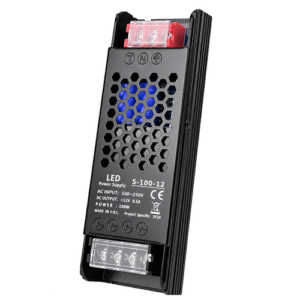
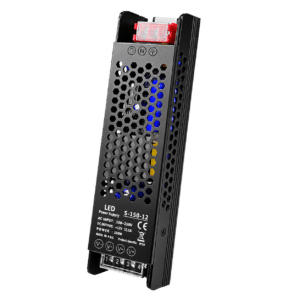
The driver must suit the system voltage, connected load and manufacturer’s requirements. Track ratings, feed arrangements and controls must also be checked.
Do not add modules solely because there is physical space left on the rail.
For installation planning, visit Magnetic Track Lighting Installation in Nairobi.
What to Send Keable for Lighting Planning
Send the following details:
- Room dimensions: Length, width and ceiling height.
- Intended use: Living room, kitchen, office, shop or another application.
- Photographs or a floor plan: Include furniture and key features.
- Interior colours: Wall, ceiling and floor finishes.
- Existing lighting: Types and positions of fittings already installed.
- Daylight conditions: Window positions and when the room is used.
- Preferred track style: Recessed, surface-mounted or suspended.
- Product details: Specifications of any modules or tracks you already own.
If some details are unavailable, start with the room dimensions, intended use and clear photographs.
OUR PRODCTS
Frequently Asked Questions
How many magnetic lights do I need for a living room?
It depends on the room dimensions, fixture output, beam angles and activities. Include reading areas, decorative features and existing lighting when planning the quantity.
Can I calculate the number using room area alone?
Room area is useful, but it is insufficient on its own. Ceiling height, light distribution, finishes and room use also matter.
Does higher wattage mean I need fewer lights?
Not necessarily. Compare lumen output and light distribution. Positioning and glare may make several appropriately selected fittings more useful than fewer powerful ones.
Can I add more magnetic lights later?
Often, provided the new modules are compatible and the system has sufficient electrical capacity. Confirm this before purchasing additional fittings.
Should the modules be evenly spaced?
Not always. Position them according to the surfaces and features that need light. A visually regular arrangement may not match the room’s lighting needs.
Can magnetic lighting work alongside existing downlights?
Yes. The two systems can serve different roles, such as general illumination from downlights and focused lighting from magnetic modules.
Get Help Planning Your Magnetic Lighting System
Avoid choosing a module quantity before checking what your room needs.
Send Keable your room dimensions and intended use, and we can help you plan an appropriate magnetic lighting system.
Call/WhatsApp: 0718 821 018
Call Keable Electricals | Send Your Room Details on WhatsApp
Explore Magnetic Track Lighting
Understand Magnetic Track Lighting Prices in Kenya




Add comment