
No products in the cart.
How to Choose the Right Switches and Sockets for Your Home in Kenya
Switches and sockets are small details you use every day. Their position affects how conveniently you use your appliances, their finish influences your interior design, and their suitability matters to the safety of your electrical installation.
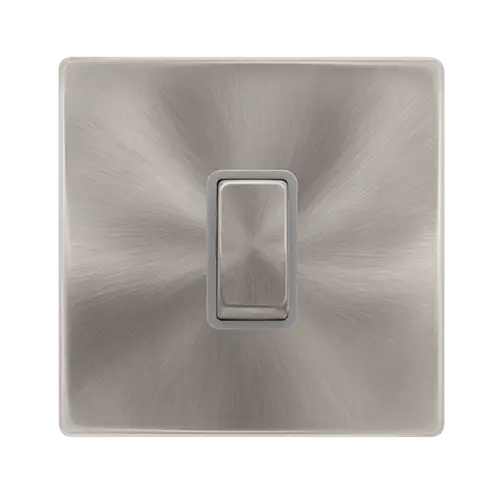
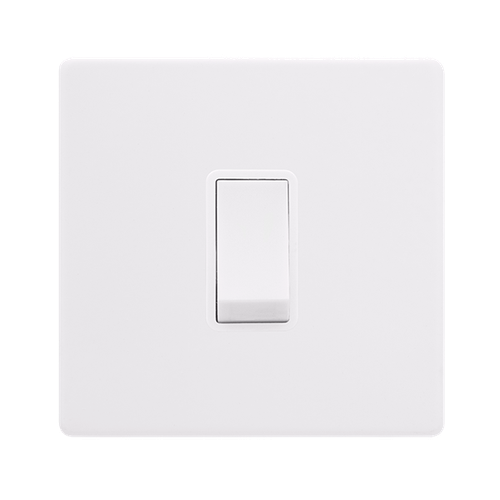
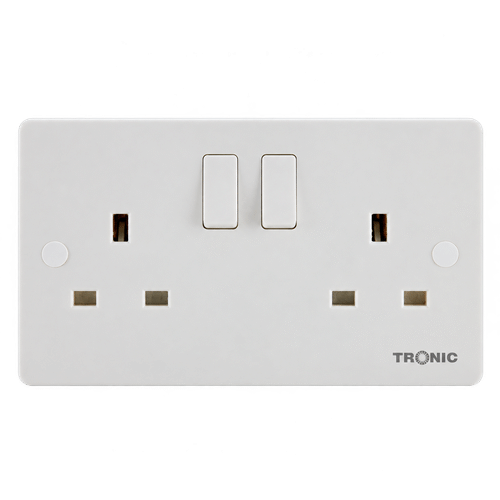
Whether you are building a home, renovating an apartment or replacing worn electrical accessories, choosing the right products takes more than picking an attractive colour.
The best approach is to choose switches and sockets that match your electrical requirements, room layout, installation boxes and interior style. Confirm the technical requirements with your electrician before placing an order.
This guide from Keable Electrical Supply explains what to consider when buying switches and sockets for your home in Kenya.
1. Understand Which Switches and Sockets You Need
Different electrical accessories serve different purposes. Products that look similar may have different functions and ratings.
| Accessory | What it does | What to confirm before buying |
|---|---|---|
| Light switch | Controls a lighting circuit | Number of controls, switching arrangement and load compatibility |
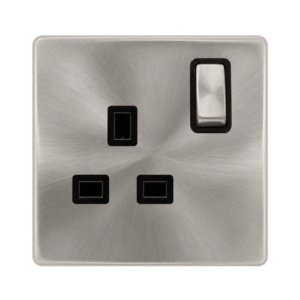
| Single socket | Provides one plug outlet | Plug compatibility, rating and intended use |
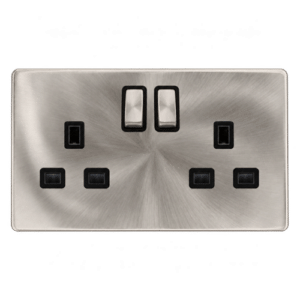
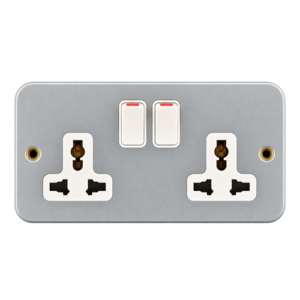
| Double socket | Provides two plug outlets | Product rating and suitability for the connected loads |
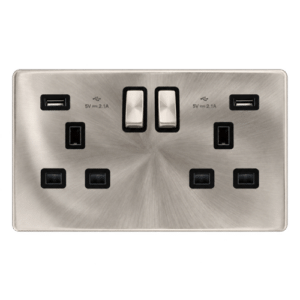
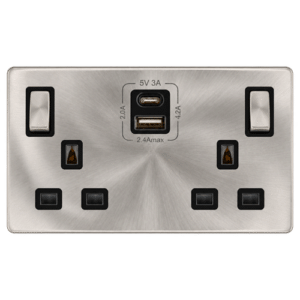
| Socket with USB ports | Combines plug outlets with USB charging | USB connector type, charging output and box depth |
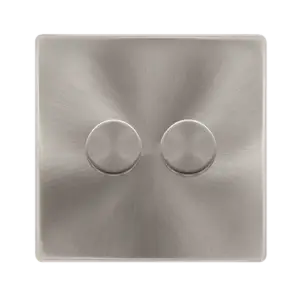
| Dimmer switch | Adjusts compatible lighting | Compatibility with the lamps or LED drivers |
| Double-pole switch | Switches two conductors together | Required rating and application |
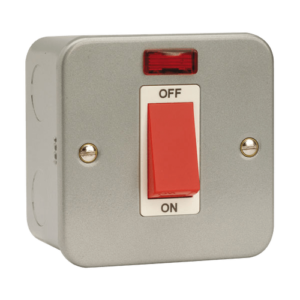
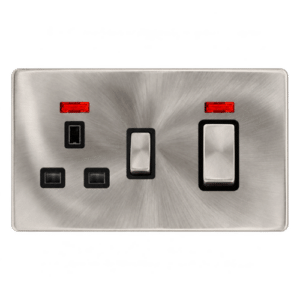
| Cooker control switch | Controls a suitably designed cooker supply | Appliance requirements and circuit design |
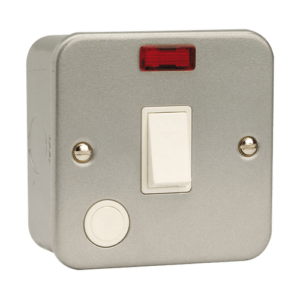
| Fused connection unit | Provides a fused connection for suitable equipment | Appliance requirements and correct fuse selection |
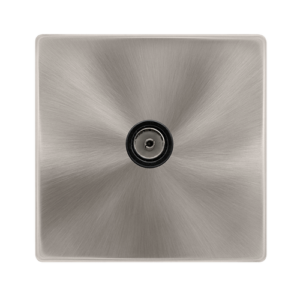
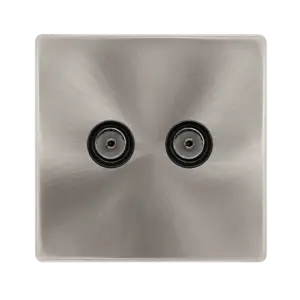
| TV or data outlet | Connects television or network cabling | Connector type and cable compatibility |
Buying tip: Prepare a list by function first, then choose the finish. This helps prevent ordering a matching set that does not include the accessories your home requires.
2. Know the Difference Between “Gang” and “Way”
These terms often cause confusion when buying light switches.
What does “gang” mean?
Gang generally describes the number of individual switch controls on a faceplate.
- 1-gang: One switch control.
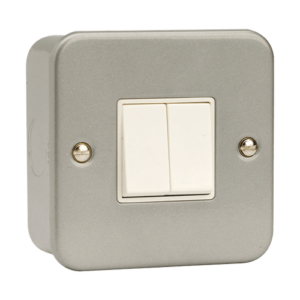
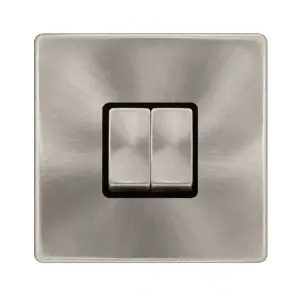
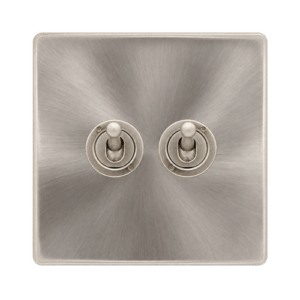
- 2-gang: Two switch controls.
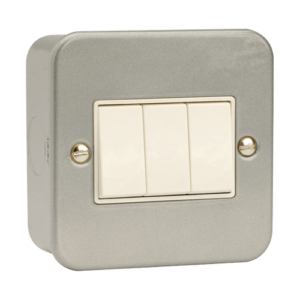
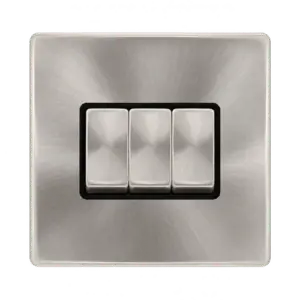
- 3-gang: Three switch controls.
For example, a living room with separate ceiling lights and wall lights may need a 2-gang switch so each group can be controlled independently.
What does “way” mean?
Way describes the switching arrangement.
- 1-way switching: Controls a light from one location.
- 2-way switching: Allows a light to be controlled from two locations when correctly wired.
- Intermediate switching: Is used with suitable switches when control is needed from three or more locations.
Two-way switching is useful on staircases, in corridors and in bedrooms where you want to control a light at both the entrance and the bedside.
A 2-gang switch and a 2-way switch mean different things. Ask your electrician to specify both the number of gangs and the switching arrangement.
3. Match the Product Rating to Its Intended Use
An attractive faceplate does not tell you whether an accessory is suitable for an appliance.
Check the manufacturer’s voltage and current ratings, intended application and installation instructions. Your electrician should confirm that the accessory matches the appliance, wiring and protective devices.
A cooker, electric shower or water heater may need a dedicated circuit and an appropriately rated isolation switch. Do not choose these accessories by appearance or substitute a general-purpose socket without a professional assessment.
Installing a higher-rated switch does not increase the capacity of the existing wiring. The whole circuit must be suitable for the load.
4. Plan Your Sockets Around Furniture and Appliances
Good socket placement starts with how you will use each room.
Before your electrician finalises the layout, mark the position of beds, sofas, televisions, desks, wardrobes and major appliances. This reduces the chance of outlets ending up behind fitted furniture or too far from where they are needed.
Living room
Plan for your television, decoder, router, sound system, lamps and everyday charging needs. Group power and media connections sensibly around the entertainment area.
Bedrooms
Consider sockets beside the bed, at a dressing table and near any desk or television position. Integrated USB charging may be convenient at the bedside.
Kitchen
List both fixed and portable appliances. Include the fridge, microwave, kettle and other equipment you expect to use.
Your electrician should determine suitable outlet locations, appliance circuits and isolation arrangements, taking account of water, heat and access for maintenance.
Home office
Plan for the computer, monitor, printer, router and chargers. Enough well-positioned outlets can reduce dependence on trailing extension leads.
Outdoor spaces
Outdoor sockets need products and installation methods suitable for the actual exposure to rain, dust and moisture. Ask your electrician to select the appropriate enclosure, location and circuit protection.
There is no single socket count that suits every home. A room’s size, furniture arrangement and appliance use all affect the layout.
5. Choose a Finish That Complements Your Interior
Switches and sockets are visible fittings. A consistent finish can help rooms feel coordinated.
| Finish | Interior styles it can complement | Practical consideration |
|---|---|---|
| White | Simple, bright and understated interiors | Easy to coordinate with light walls |
| Black | Contemporary rooms and contrasting colour schemes | Creates a visible accent on lighter walls |
| Black and gold | Interiors with warm metallic details | Coordinate with handles, lighting and other fittings |
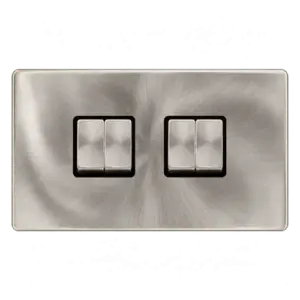
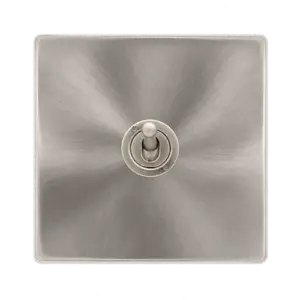
| Brushed steel | Modern kitchens and neutral interiors | Compare physical samples with nearby metal finishes |
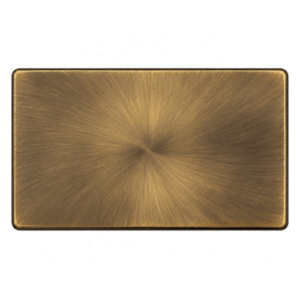
| Antique brass | Warm, classic and traditional interiors | Works well alongside timber and warm colours |
| Grey | Soft neutral and contemporary schemes | Check the shade against paint and cabinetry |
Compare a physical sample where possible. Screen images can make colours and metallic finishes look different from the actual product.
You can use one finish throughout the home or choose coordinated finishes for different spaces. Either way, check that the range includes all the accessories you need before committing.
6. Decide Whether USB Sockets Are Worth Including
Sockets with integrated USB charging can be useful beside beds, in home offices and around shared charging areas.
However, the presence of a USB port does not tell you how quickly it will charge a device.
Before buying, check:
- Whether the ports are USB-A, USB-C or both.
- The stated charging power.
- Whether output is shared when multiple ports are used.
- Support for any charging protocol your device needs.
- The manufacturer’s back-box depth requirement.
A USB-C port alone does not guarantee fast charging or laptop charging. Compare the stated output with your device requirements.
Use USB sockets selectively where they offer a clear benefit, and retain enough conventional plug outlets for other equipment.
7. Check Compatibility Before Replacing Existing Fittings
Replacing switches and sockets is not always a simple faceplate swap.
Your electrician should check the existing wiring, mounting arrangement, back-box depth, earthing requirements and condition of the installation.
This is especially useful when changing to:
- USB charging sockets.
- Dimmer switches.
- Smart switches.
- Decorative metal accessories.
- Larger or differently configured faceplates.
Some products require deeper boxes or additional wiring. Identifying this before buying helps avoid returns, delays and unexpected installation costs.
For dimmers, confirm compatibility with the specific lamps and drivers. For smart switches, check wiring requirements, connectivity and the functions available if the internet connection is lost.
8. Assess Quality Beyond Appearance
A good-looking product should also have clear technical information and dependable support.
Before purchasing, look for:
- Identifiable manufacturer and product information.
- Clear voltage and current ratings.
- Relevant conformity information for the intended market.
- Installation instructions and technical specifications.
- Clearly stated warranty terms.
- Availability of matching accessories and replacements.
Ask questions if essential information is missing. A decorative finish or premium price does not, by itself, establish electrical quality.
9. Set a Budget for the Complete Project
Switches and sockets prices in Kenya vary with the product type, finish, features and range.
A standard white switch and a decorative USB socket perform different jobs, so comparing them only by unit price can be misleading.
For a useful quotation, specify:
| Detail | Example |
|---|---|
| Product function | Double switched socket |
| Quantity | Number required for the project |
| Finish | White, black, brushed steel or antique brass |
| Special feature | USB charging, dimming or indicator |
| Technical requirement | Rating and configuration confirmed by your electrician |
| Matching accessories | Cooker switches, data outlets and blank plates |
Compare the cost of the complete list, including any installation changes your electrician identifies.
For current prices, contact Keable Electrical Supply with your quantities and preferred finish.
10. Avoid These Common Buying Mistakes
Buying every switch in the same configuration
Different rooms may need different numbers of gangs and switching arrangements. Use an electrician-approved schedule.
Choosing a range before checking its accessories
Confirm that matching sockets, cooker controls, data outlets and other required fittings are available.
Assuming two outlets mean twice the usable capacity
A double socket does not automatically provide double the circuit capacity. Connected loads must remain within the relevant product and circuit limits.
Buying USB sockets without checking their output
Check the charging specification rather than relying on the port shape.
Covering up an electrical fault with a new faceplate
Hot sockets, scorch marks, burning smells or unusual electrical noises need investigation. Stop using the affected accessory and arrange professional inspection. Electrical Safety First identifies overheating and scorching as warning signs during home electrical checks.
Leaving installation until after the buying decisions
Involve your electrician early so your purchases suit the actual installation.
Frequently Asked Questions
Which switches and sockets are best for a home in Kenya?
Choose products with suitable ratings, clear technical information, appropriate conformity information and compatibility with your installation. Then compare finishes, features and budget. There is no single range that is best for every home.
Should I choose single or double sockets?
Double sockets can be convenient where two devices need plug connections. The right choice depends on the room layout, expected loads and electrical design.
Are expensive switches and sockets always better?
Price can reflect decorative finishes, design or extra features. Assess technical suitability, documentation, warranty and product support alongside appearance.
Can I replace white sockets with black or metallic sockets?
Often this is possible, but an electrician should first check the wiring, boxes, mounting compatibility and any earthing requirements.
How many sockets do I need in each room?
Start with a furniture and appliance plan. Allow for the devices you expect to use at the same time, then ask your electrician to design an appropriate layout.
Can I install switches and sockets myself?
Use an appropriately EPRA-licensed electrical professional for installation and alterations. Check current licence status and scope before appointing someone.
Where can I enquire about switches and sockets for my project?
Contact Keable Electrical Supply with your product list, quantities and preferred finish for product enquiries and a quotation.
Choose Your Switches and Sockets with Keable Electrical Supply
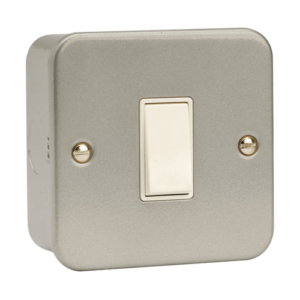
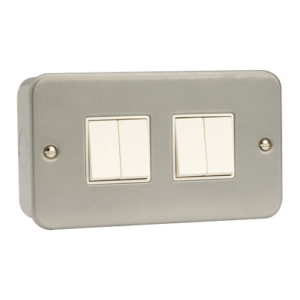
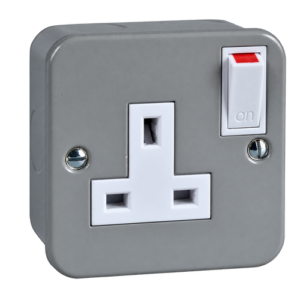
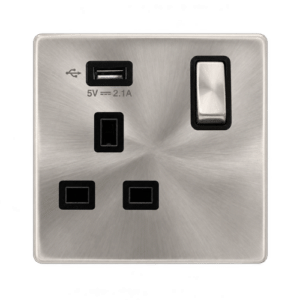
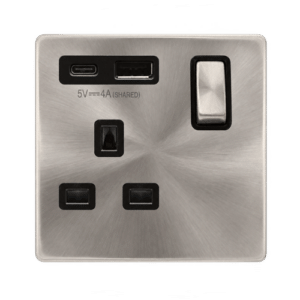
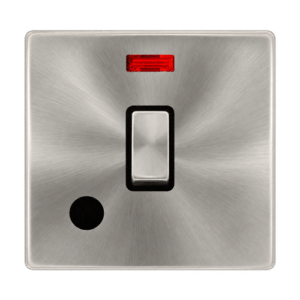

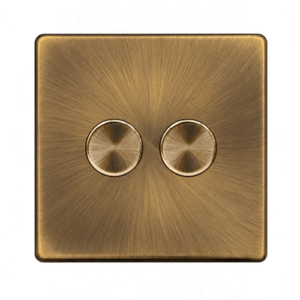
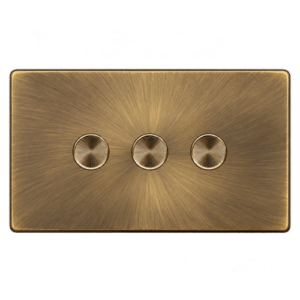
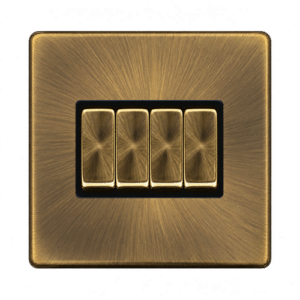
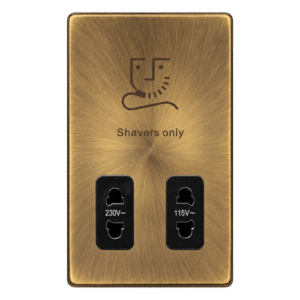
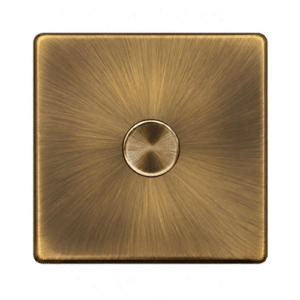
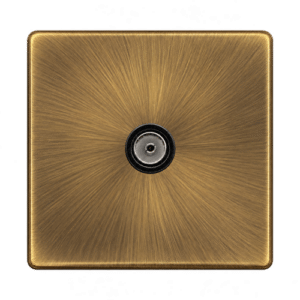
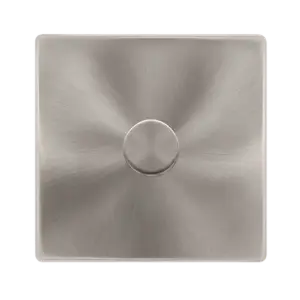
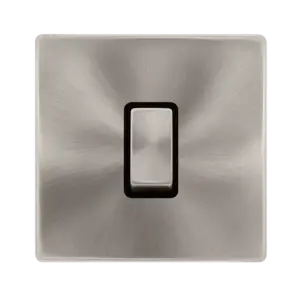
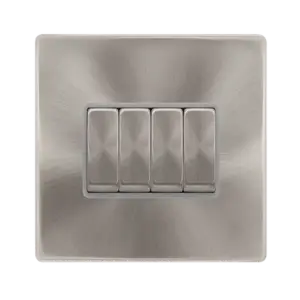
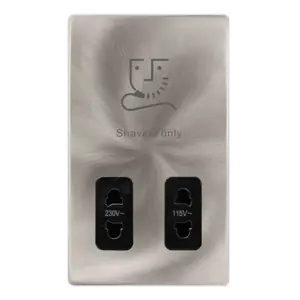
The right switches and sockets combine practical function with a finish that suits your home. Start with an accurate electrical schedule, confirm compatibility, and compare complete ranges before making your final selection.
Planning a new home, renovation or apartment project? Send Keable Electrical Supply your electrician’s list, room-by-room quantities or reference photos of your preferred style. Ask about available options, matching accessories and current prices before ordering.
Call or WhatsApp: 0718 821018
Keable Electrical Supply — switches, sockets and electrical materials for your home and project.




Add comment